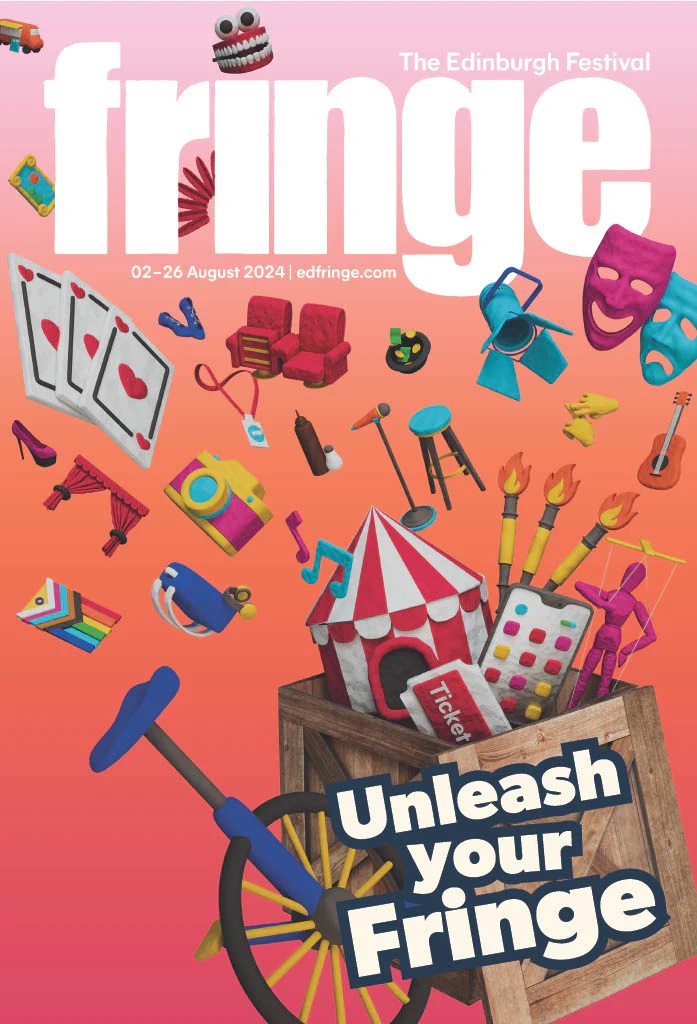
Every August, the city of Edinburgh transforms into a vibrant hub of creativity, where artists and performers from all corners of the globe gather to showcase their talents at the world-renowned Edinburgh Festival Fringe. What began as a small, uninvited alternative to the official Edinburgh International Festival has grown into the largest arts festival in the world, embodying the spirit of artistic freedom and innovation. Here’s a look at the fascinating history of the Fringe Festival and how it has evolved over the decades.
The Origins: A Rebellious Beginning (1947)
The story of the Edinburgh Festival Fringe began in 1947, in the aftermath of World War II, when Europe was still reeling from the devastation of the conflict. The Edinburgh International Festival was conceived that year as a way to provide “a platform for the flowering of the human spirit” through the arts. While the official festival invited esteemed classical artists, eight uninvited theatre companies saw an opportunity to perform in Edinburgh during this time, albeit on the “fringe” of the official event.
These eight companies, which included a mix of amateur and professional groups, performed in smaller, unconventional venues like pubs, basements, and backrooms. Their presence was not part of the official program, but they were welcomed by an enthusiastic audience. This grassroots, do-it-yourself approach laid the foundation for what would later become the Edinburgh Festival Fringe.
The Growth Years: Expanding Horizons (1950s-1960s)
Throughout the 1950s and 1960s, the Fringe began to take on a life of its own. The number of performers grew steadily each year, with more and more artists seeking to break away from the constraints of traditional theatre. The Fringe quickly became known for its eclectic mix of performances, ranging from experimental theatre and comedy to music and dance.
The festival’s informal nature also encouraged new and emerging artists to take risks, experimenting with unconventional forms and ideas that might not have found a place in more established venues. The diversity of performances attracted a wide audience, including critics and talent scouts, who began to see the Fringe as a place to discover fresh talent.
The Institutionalization: Establishing an Identity (1970s-1980s)
By the 1970s, the Edinburgh Festival Fringe had become an institution in its own right. In 1958, the Festival Fringe Society was formed to provide support and guidance to performers and audiences alike. The Society established an official program, although participation remained open to anyone who wanted to perform.
During this period, the Fringe became a breeding ground for new trends in comedy, with now-famous comedians like Rowan Atkinson, Stephen Fry, and Hugh Laurie making their debuts at the festival. The festival’s reputation as a launchpad for careers was solidified, and it attracted increasing attention from the media and industry professionals.
The Boom: Going Global (1990s-Present)
The 1990s marked a period of explosive growth for the Edinburgh Festival Fringe. As the festival became more popular, the number of performances and venues expanded dramatically. The Fringe’s unique appeal—offering a platform for both established and emerging artists—drew participants and audiences from around the world.
Today, the Fringe features thousands of performances across hundreds of venues, ranging from intimate spaces to large theatres. It has become a truly global event, attracting performers from over 60 countries and offering a staggering variety of shows, from avant-garde theatre and stand-up comedy to spoken word, cabaret, and circus acts.
The Fringe’s success has inspired similar festivals around the world, but Edinburgh remains the original and the largest. The festival’s inclusive, open-access model ensures that it remains a place where creativity and innovation thrive, where audiences can discover the unexpected, and where artists can take risks without the constraints of traditional arts programming.
The Legacy: Celebrating Artistic Freedom
The Edinburgh Festival Fringe has come a long way from its humble beginnings as a rogue alternative to the Edinburgh International Festival. Over the years, it has become synonymous with artistic freedom, innovation, and diversity. The festival has given voice to countless artists, providing a stage for new ideas and challenging the boundaries of traditional performance.
As the Fringe continues to evolve, it remains a testament to the enduring power of the arts to inspire, entertain, and provoke thought. Every August, Edinburgh becomes a melting pot of creativity, where the spirit of the original eight theatre companies lives on, reminding us that the arts are for everyone, and that the most extraordinary ideas often come from the fringes.
So, whether you’re a seasoned festival-goer or a first-time visitor, the Edinburgh Festival Fringe offers an unparalleled experience—a celebration of the boundless possibilities of the arts and a glimpse into the future of creative expression.
 Explore Scotland